



By February 2003 Michelle Rice had lost her last three children, her marriage and her tenth address in four years. She was 31 years old.
What the record picks up next is a man who had been in Springfield the whole time, leaving his own paper trail two streets over, and who by 2004 had a name that moved.
The Man Named Bob and Robert
Michelle was now entirely alone, drifting through the streets of Springfield, completely unmoored from the life she had begun, a life that has now left her broken, abandoned and forgotten. Her birth song came full circle.
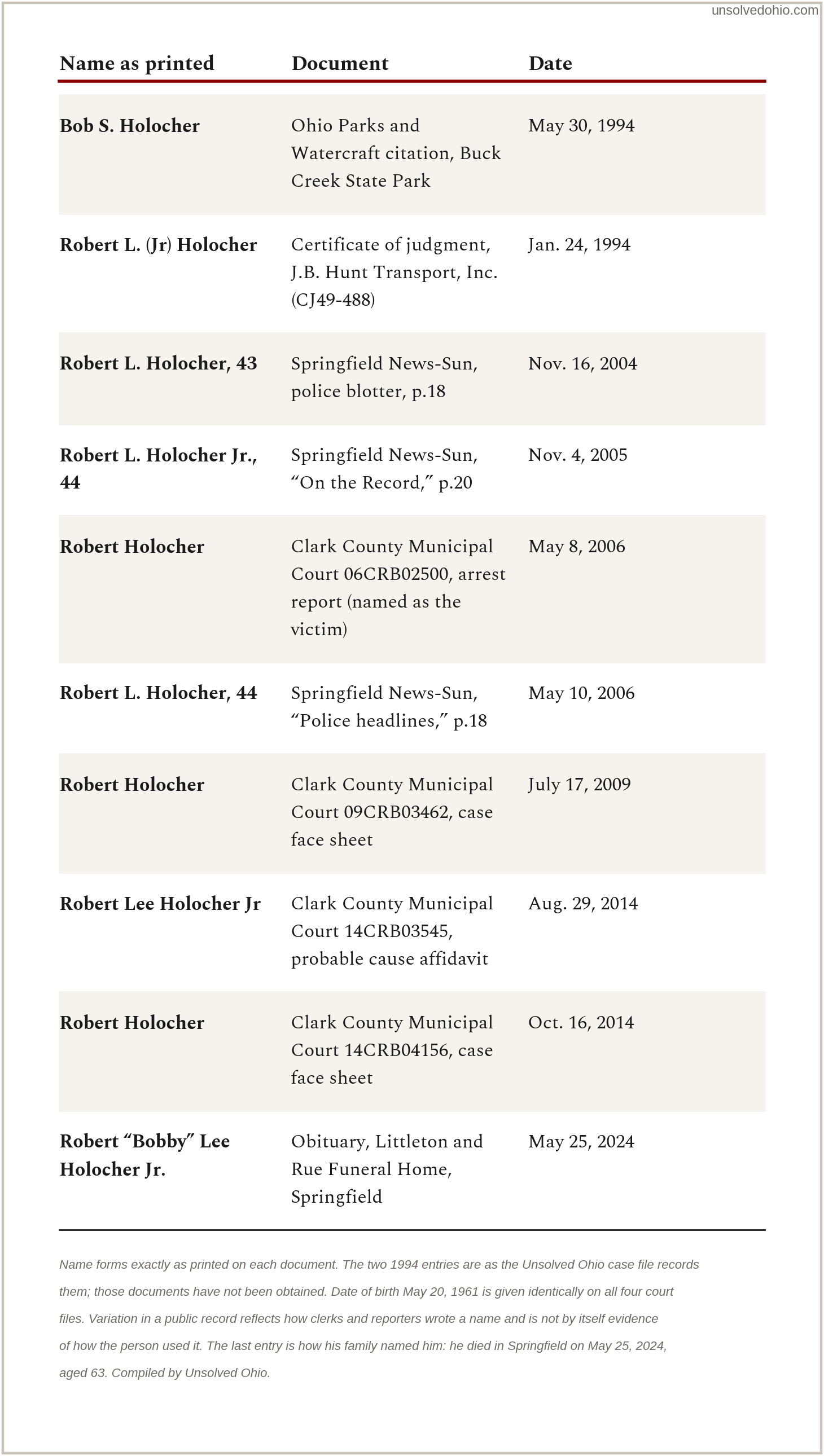
The long years on her own read like a dark, repetitive script written in the language of altercations and anesthetics. The map of her decline was charted across the geography of Springfield, Ohio. In the shadows of its historic masonry and fading storefronts, a man named Robert Holocher carved out a life characterized by evasion, bureaucratic manipulation, and a distinctly intimate brand of cruelty. Born on the twentieth of May 1961, he would prove to be a man of slippery nomenclature, a chameleon who adjusted his identity to suit his transgressions. To the courts, to the women who loved and inevitably feared him, and to the endless paper trails he left in his wake, his identity was a moving target. The mystery of his changing name was a subtle, deceptive prelude to his true character: sometimes he was documented formally as Robert L. Holocher, and at other times he drifted through the ledgers like Bob S. Holocher. It was a hyphenated familiarity, a switching of middle initials that allowed him to exist just slightly out of focus, evading the full glare of accountability.
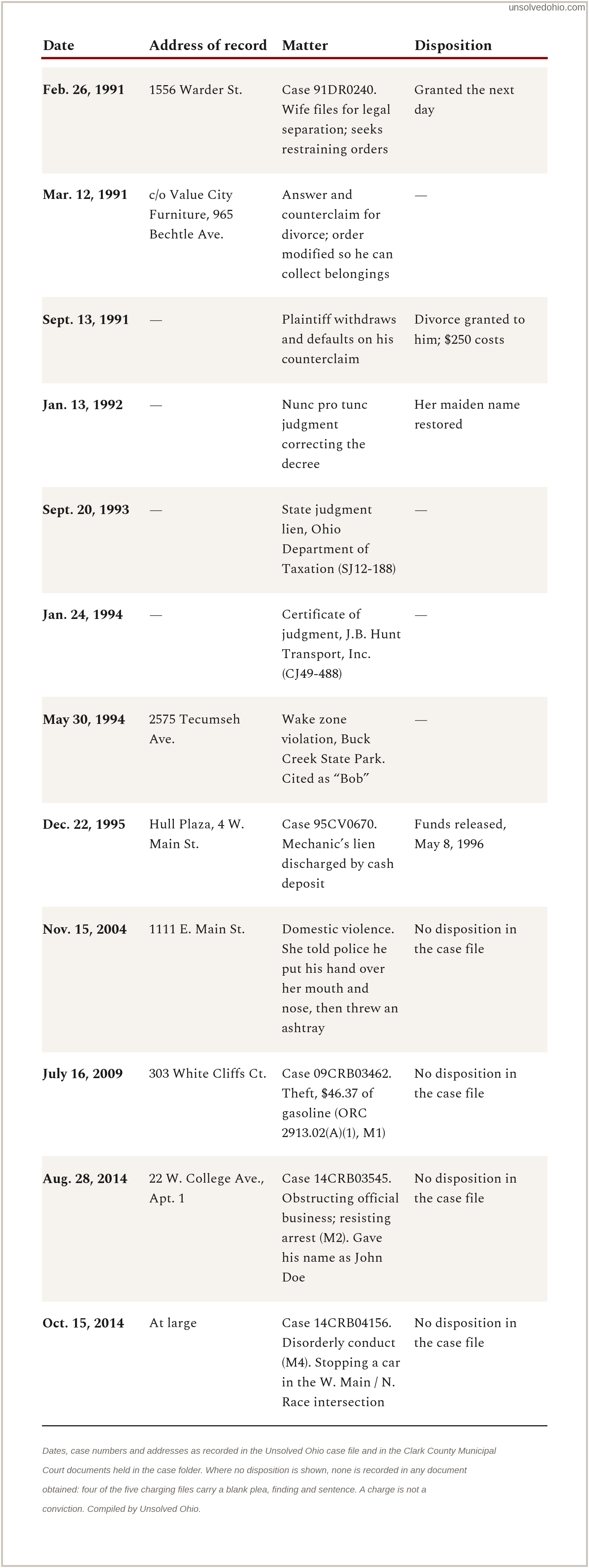
By the bleak, gray winter of 1991, the veneer of his domestic tranquility had entirely fractured, giving way to the cold mechanics of the legal system. The stage for this early unraveling was set in the austere corridors of the Clark County courthouse. On February 26, 1991, the legal machinery formally engaged in Case Number 91DR0240, officially marking the termination of his marriage to a woman named Valerie, with whom he shared children. Valerie, residing at the family home at 1556 Warder Street, had reached the absolute limits of her endurance. She filed a desperate complaint for legal separation, armed with sworn affidavits and an urgent, pleading motion for temporary restraining orders. She sought the court’s protective shroud to prevent him from disposing of their marital property and from inflicting any further interference in her already fractured life. The court, recognizing the volatility of the situation, granted the temporary restraining orders the very next day, on February 27, 1991.

Robert, at the time, listed his address in care of Value City Furniture, a sprawling retail space located at 965 Bechtle Avenue. It was an address that stood in stark, almost absurd contrast to the intimate ruin of his marriage. Robert found himself temporarily restrained, held at bay by the invisible fences of the law. Yet, the somber dance of divorce proceedings is rarely swift or clean. By March 12, 1991, Robert had formulated his legal counterstrike, formally filing an answer and a counterclaim for divorce. In a concession to the mundane, painful logistics of dismantling a shared life, the court modified the restraining order. They granted him a mere one-week window to extract his personal belongings from the shed and the dark, damp confines of the basement on Warder Street. One can only imagine the silent, tense atmosphere of that property retrieval — the physical division of a life once shared, carried out in cardboard boxes and trash bags under the watchful eye of a fractured family.
The endurance required to fight a man like Robert seemed to drain from Valerie as the grueling months wore on. On September 13, 1991, the fight left her; she formally withdrew her complaint and defaulted on her answer to his counterclaim. The court, strictly bound by procedural mandates, subsequently granted the divorce to the defendant, Robert. It was a cold, calculated dissolution: no alimony was awarded, and the sterile final decree dictated the division of all property, assets, and accumulating debts. Robert was ordered to pay a paltry $250 toward Valerie’s attorney fees, with any remaining court costs to be split evenly, 50 percent each, between the two alienated parties. By January 13, 1992, a nunc pro tunc judgment was filed to retroactively correct the September decree, severing the final linguistic thread and restoring the plaintiff to her maiden name: Valerie S. McKinley. She had reclaimed her name, but Robert was already moving on, navigating toward new avenues of transgression.
If the early nineties marked the bitter end of his marriage, they also heralded the beginning of his steep descent into financial delinquency. Robert Holocher was a man who accrued debts as casually and inevitably as others draw breath. On September 20, 1993, the State of Ohio Department of Taxation brought the hammer down, issuing a state judgment lien (SJ12-188) against him. The bureaucratic noose tightened even further on January 24, 1994, when a certificate of judgment (CJ49-488) was filed by J.B. Hunt Transport, Inc. The paperwork listed the creditor as J.B. Hunt Transport, Inc., and the debtor as Robert L. (Jr) Holocher. He was bleeding money, leaving a sprawling trail of unpaid obligations and frustrated creditors in his wake.
Yet, it was in 1994 that his geographic proximity to deeper, darker horrors became a chilling footnote in his ledger. By this time, he was operating primarily under the moniker “Bob,” a common, friendly diminutive for Robert, yet he oddly utilized the middle initial “S.” despite his full legal name. His address was now officially listed as 2575 Tecumseh Avenue in Springfield. This modest residence held a macabre geographic significance; it was situated exactly 800 feet from the murky, shadowed waters of Buck Creek. It was a location uncomfortably close to the very spot where the discarded bodies of Angela Hall and Thelma Gebert would eventually be dumped and found by local law enforcement.
On Memorial Day weekend of that year, with the Midwestern air thick with the festive promise of early summer, the Ohio Parks & Watercraft cited Bob for a “wake zone violation” at Buck Creek State Park on May 30, 1994. It was, on its surface, a minor infraction — a careless, arrogant disregard for the rules of the water. But the dark, silent waters of Buck Creek Lake held secrets far more profound than a speeding boat. In less than two years’ time, the community would be rocked by the horrifying realization that Angela Hall had gone missing, and her body would be discovered dumped in that very same lake. The geographic proximity of Robert Holocher’s Tecumseh Avenue residence to the grim dumping grounds — a mere 800 feet — lingers in the air like an unresolved, dissonant chord, a sinister coincidence in a town where the sinister so often hides in plain sight.
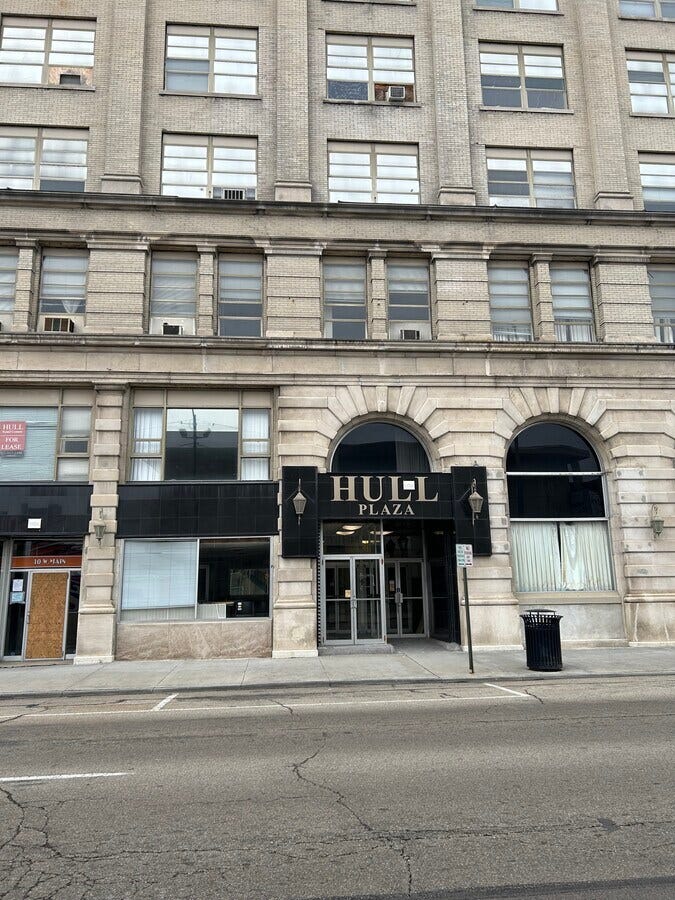
As the decade progressed, so did his relentless legal entanglements. On December 22, 1995, a new case (95CV0670) was initiated by Richard Markle and Brian C. Markle, who were represented by attorney Craig Relman. Robert, now listing an address at the imposing 10-story Hull Plaza building at 4 West Main Street, Suite 210, right in the beating heart of downtown Springfield, was forced to confront his financial phantoms once again. This particular case centered on the arcane legal process of discharging a mechanic’s lien by substituting it with a cash deposit. The initial filing sought an application to approve this cash substitution.
On January 4, 1996, the court officially ordered that the cash deposit be substituted for the security of the existing mechanic’s lien. Following a subsequent hearing to determine the strict sufficiency of the funds, the court officially approved the cash deposit on January 22, 1996. This decisive action voided the original mechanic’s lien and wholly discharged the property from its burden. The final resolution arrived on May 3, 1996, when a motion was filed to release the deposited funds and discharge the obligations of the principals. The court issued a final order on May 8, 1996, directing the Home City Federal Savings & Loan Association to release the deposited money to Richard and Brian C. Markle. The order explicitly stated that upon the disbursement of these funds, all parties would be thoroughly discharged and released from all obligations.
Bizarre, Improvised, and Highly Orchestrated Violence
A man’s addresses are often the mile markers of his descent, charting a geographic map of his moral decay. Robert Holocher’s journey eventually led him to 1111 East Main Street. It was a grand, historic home that had been unceremoniously carved up into a four-plex apartment building — two units occupying the bottom floor, and two units on the upper second floor. It was here, within these partitioned walls that still vaguely echoed with the ghosts of the home’s former grandeur, that his deep-seated propensity for violence against women found a new, tragic, and intensely claustrophobic stage.

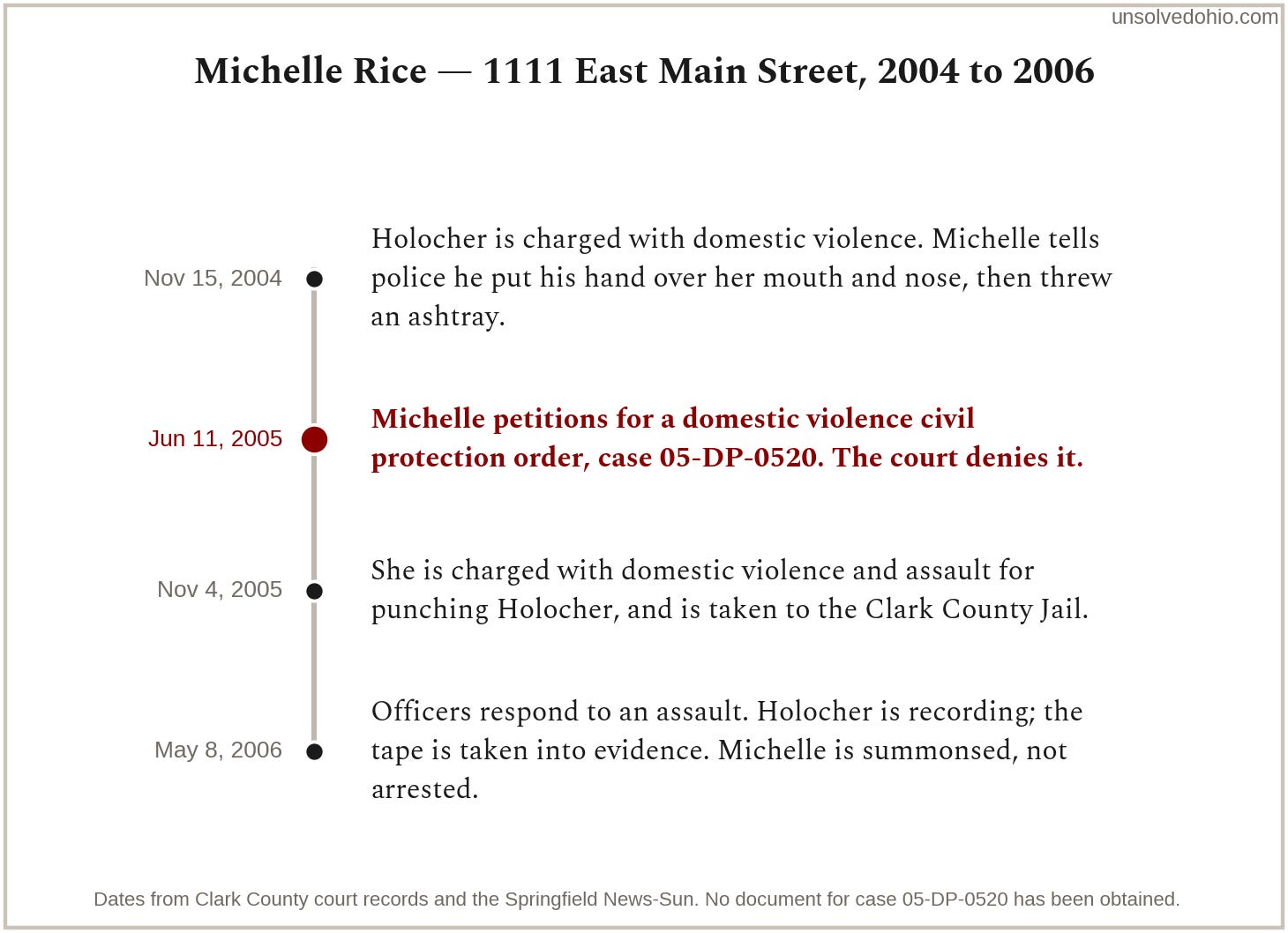
The victim in this new act of his life was a woman named Michelle (Hall) Rice. She was a tiny, fragile figure of 32 years, standing a mere 4 feet 11 inches tall and weighing just 95 pounds. Robert, aged 43 in 2004, stood 5 feet 9 inches and weighed a solid 150 pounds. The physical disparity between the two was immense, setting the harrowing scene for a brutal, inescapable imbalance of power. On Monday, November 15, 2004, the uneasy quiet of the four-plex was violently shattered. Robert Holocher was arrested and formally charged with domestic violence against Michelle.
Michelle recounted the stark terror of the incident to the responding police officers. She told them that Robert had been fighting her; he had grabbed her forcefully, and in a terrifying bid to silence her screams, he put his hand over her mouth and nose. When she finally managed to tear herself away from his suffocating grip, his rage boiled over into lethal projectiles. Robert picked up an ashtray and hurled it at her retreating form, striking the tiny woman. It was an act of pure, unadulterated malice, a physical manifestation of his inherent cruelty.
Michelle recounted the stark terror of the incident to the responding police officers. She told them that Robert had been fighting her; he had grabbed her forcefully, and in a terrifying bid to silence her screams, he put his hand over her mouth and nose. When she finally managed to tear herself away from his suffocating grip, his rage boiled over into lethal projectiles. Robert picked up an ashtray and hurled it at her retreating form, striking the tiny woman. It was an act of pure, unadulterated malice, a physical manifestation of his inherent cruelty.
For Paid Subscribers: November 16, 2004
Two sentences in the Springfield News-Sun police blotter, the morning after.
The wheels of justice in Springfield, however, proved to be grindingly slow, shockingly forgiving, and ultimately blind to her peril.
Robert was found guilty of the offense, yet the consequences handed down were a grotesque mockery of the crime. He was fined a mere $250, but the presiding judge inexplicably suspended $200 of that amount. Furthermore, he was sentenced to thirty days in county jail, and that term, too, was entirely suspended by the judge. It was a glaring, horrifying testament to a broken system; one could literally commit violent assault in Springfield, hurl glass at a diminutive woman, and walk away paying absolutely no real consequences. The message sent by the court was chillingly clear: Michelle’s physical safety was worth fifty dollars and not a single, solitary day behind bars.
This abject judicial failure birthed a suffocating, inescapable cycle of trauma and retaliation. On June 11, 2005, a desperate Michelle, still trapped in the living nightmare of 1111 East Main Street, filed a formal petition for a domestic violence civil protection order, designated as case 05-DP-0520. She was begging the system for a shield. The judge, seemingly blind to the escalating danger and the historical precedent of his violence, denied it outright.
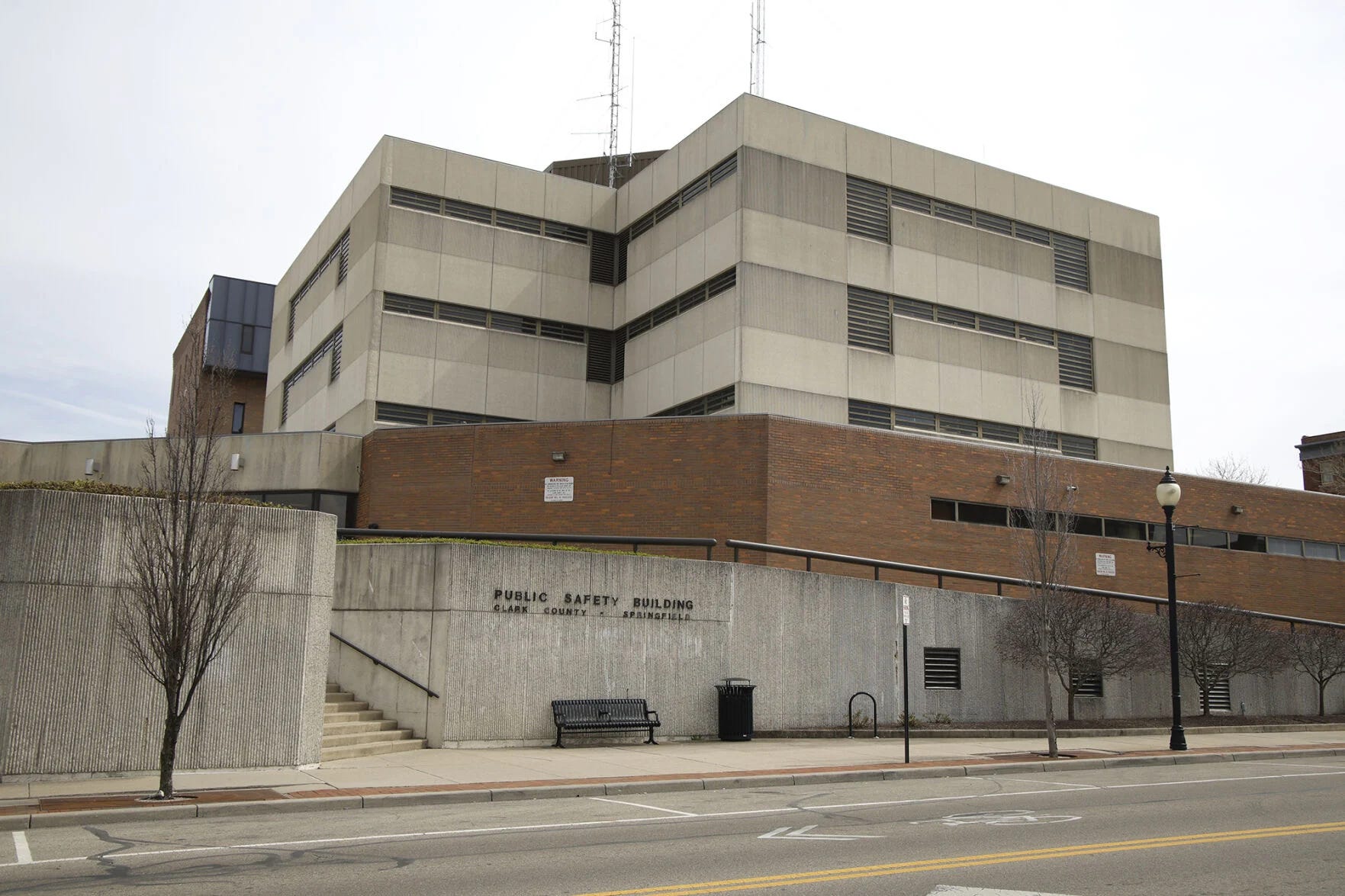
Without the protection of the law, the domestic environment devolved entirely into a grotesque, blood-soaked theater of survival and performative dysfunction. Almost exactly a year to the date of his initial arrest, on Friday, November 4, 2005, the roles bizarrely reversed on police blotters. Michelle, the 33-year-old, 95-pound woman, was charged with assault and domestic violence. Police records indicated that the tiny woman had punched the 44-year-old, 150-pound Holocher. She was taken to the Clark County Jail. It was not the unprovoked attack of an aggressor, but rather the frantic, chaotic flailing of a trapped animal backed into a corner.

The madness finally reached its surreal, terrifying crescendo the following spring, on Monday, May 8, 2006. Police were summoned once again to the East Main Street apartment. The scene the officers encountered upon arrival was one of bizarre, improvised, and highly orchestrated violence. The police report described a chaotic tableau: a woman, injured and flailing in a desperate attempt to defend herself, kicked Holocher several times and attempted to strike him with a heavy microphone stand. Meanwhile, Robert stood by, coldly and deliberately videotaping the entire frantic incident. The presence of the camera and the microphone stand illuminated a sickening, voyeuristic reality: their life had become a performative dysfunction, a waking nightmare where violence was not just felt and endured, but meticulously documented by the abuser for his own twisted purposes.
For Paid Subscribers: The Night of the Videotape
The arrest report, the seized tape, and what the Springfield News-Sun printed two days later.
The accumulation of these cold, bureaucratic records paint a harrowing, deeply tragic portrait of a woman under absolute, unrelenting siege. Michelle was not merely a “victim” in the passive, weeping sense so often portrayed in courtroom dramas; she was a fierce combatant in her own grueling, daily war for survival. She fought back against her tormentor with whatever was at hand — be it her bare fists or cumbersome microphone stands — and she was reduced to driving illegal cars and pleading guilty to minor misdemeanors simply to make the immediate trouble dissipate. She was, ultimately, a woman trying desperately to catch dreams in a decaying city that, under the lengthening shadow of men like Robert Holocher, offered her only nightmares.
The Sum of a Phantom
Robert’s pattern of manipulation was not solely reserved for the women he claimed to love; it extended seamlessly into his financial maneuverings and his very identity. The fluidity of his name — shifting from Robert L. to Bob S. and back again — was a calculated shield, a way to muddy the waters and evade the consequences of his actions. The 1994 citation for a wake zone violation at Buck Creek State Park, under the name Bob, highlighted this evasion. It occurred during Memorial Day weekend, a time when the lake would have been teeming with families and recreation. This seemingly minor incident, viewed in the broader context of his life, underscores a man who felt the rules did not apply to him. The chilling proximity of his Tecumseh Avenue address to the location where Angela Hall and Thelma Gebert were later discovered only deepens the shadow that seems to follow him. While no direct connection is stated in these records, the geographic and temporal closeness is a disquieting footnote in the ledger of a man whose life is defined by disruption and harm.
The progression of his addresses tells a story of a man moving through the strata of Springfield, from the apparent stability of Warder Street with his family, to the retail address at Value City Furniture during his divorce, and later to the historic four-plex at 1111 East Main Street. Each location serves as a backdrop to a different facet of his turbulent life. The Hull Plaza building address, used during the mechanic’s lien dispute, suggests a brief attempt at professional or at least bureaucratic legitimacy, a stark contrast to the grim reality unfolding at his residential addresses. The legal maneuvering involved in the mechanic’s lien — the substitution of a cash deposit, the certified mail, the final disbursement of funds — demonstrates his capacity to navigate the system when it served his interests, a capacity noticeably absent when dealing with the human fallout of his domestic life.
The system, for its part, seemed equally ill-equipped to handle the totality of Robert Holocher. The judge who suspended his jail time and the vast majority of his fine for the brutal assault on Michelle effectively granted him a license to continue his abuse.
The subsequent denial of Michelle’s petition for a civil protection order further isolated her, leaving her to face him alone in the suffocating confines of their shared apartment. The legal system’s failure to intervene meaningfully transformed their domestic dispute into a macabre spectacle, culminating in the bizarre incident involving the microphone stand and the camcorder. In this environment, the lines between victim and aggressor blurred, not because of a shared guilt, but because the victim was forced into a frantic, chaotic struggle for her very survival.
As one sifts through these documents, the divorce decrees, the judgment liens, the police reports — the phantom shape of Robert Holocher begins to coalesce. He emerges not as a mastermind of grand criminality, but as a relentless architect of intimate misery. His actions, from the evasion of financial debts to the physical abuse of a woman less than half his size, are marked by a profound cowardice and a chilling lack of empathy. He is a man who throws ashtrays and then hides behind suspended sentences. He is a man who documents the desperate flailing of his victim, perhaps to mock her, perhaps to further manipulate the narrative. In the sprawling, forgotten narrative of Springfield, Ohio, Robert Holocher is a shadow that clings tenaciously, a testament to the quiet horrors that unfold behind closed doors.
The final installment is the one this series has been walking toward: September 7, 2009, a shift at a White Castle, and the last man to see her. Subscribe to follow the case file — and become a paid subscriber for the court records and archive pages embedded throughout the series.