



This is part of the Amber Whitmer case file — start at the hub: Amber Marie Whitmer. This installment tests one of the six questions from The Black Hole.
This installment names individuals whose public records and documented proximity to Amber Whitmer place them within the investigative scope of this case. No one named here has been charged in connection with Amber’s disappearance, and everyone is presumed innocent unless and until proven guilty. Convictions are stated as such, with citation; arrests and charges that did not (or have not) resulted in conviction are identified as such. Every fact is drawn from public court records, official operations, or documented reporting. See our full Disclaimer.
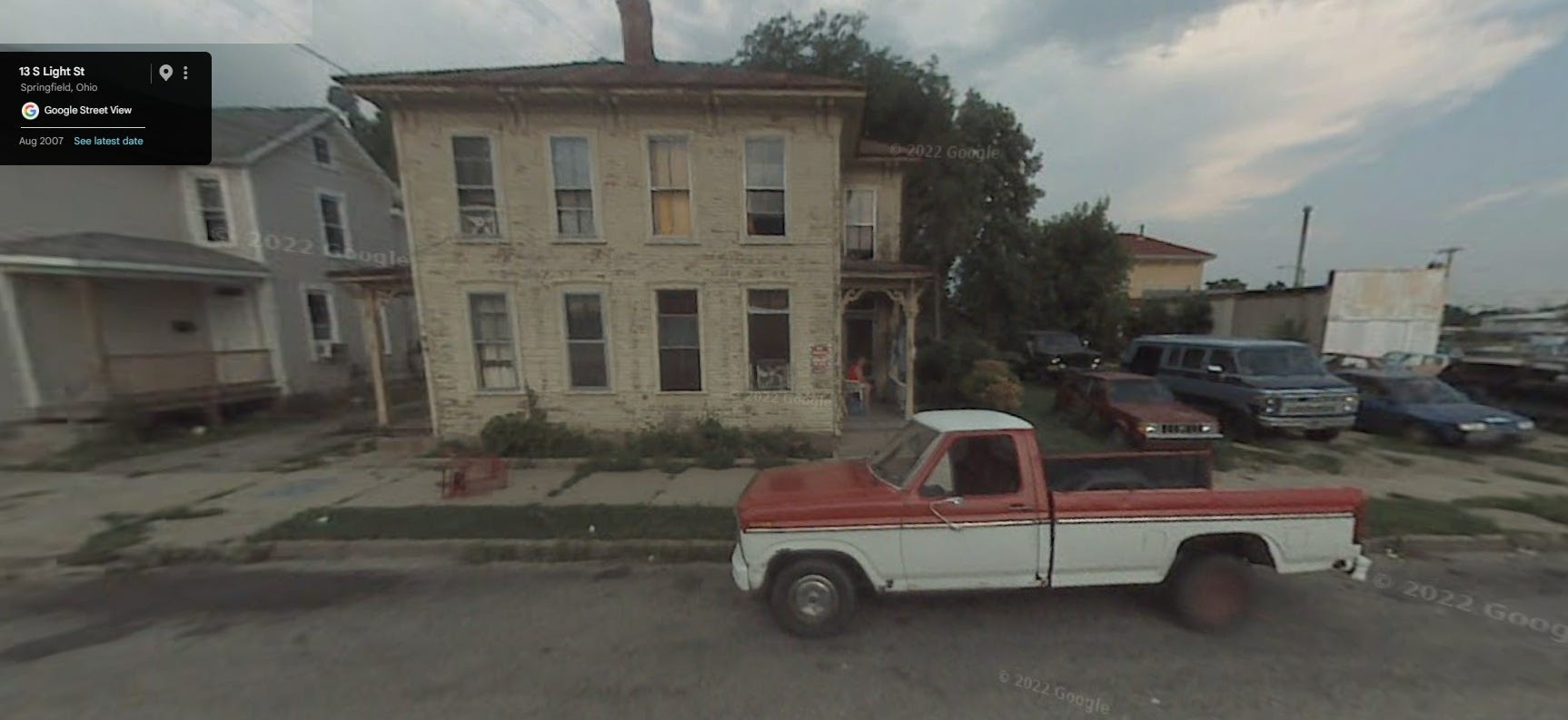
Theory 2: Murdered by Local Drug Networks
Investigative probability (the authors’ assessment): High.
To understand the architecture of a killing, you sometimes have to understand the intimacies of a bloodline. Criminologists have a clinical phrase for the killing of a biological or chosen family member — intrafamilial homicide — and it accounts for a larger share of murder than most people assume. A Bureau of Justice Statistics review of murder cases found roughly 16 percent of victims were killed by a member of the defendant’s own family, and women bear a disproportionate share of that violence: they were 45 percent of the victims in family murders, against just 18 percent of victims in murders overall.
In victimology you start at the epicenter — family and those one degree removed — and work outward, like tracing an earthquake from its fault line. For Amber Whitmer, that fault line runs through her mother’s marriage into the Boysel and Crosby family — a network that, in the words of those worn down by it in the local justice system, is “all bad news, death, and destruction.”